Chaos, confusion, conspiracy theories: Lessons from an outbreak

EVERYTHING GETS WORSE BEFORE IT GETS BETTER

So yeah. Coronavirus and all its relatives will go down in science and history as one of mankind’s greatest adversary.

Over a decade, it has caused deadly diseases -SARS (severe acute respiratory syndrome) and MERS-COV (Middle East respiratory disease from coronavirus). Now, its cousin called COVID19 is spewing another flu-like disease that’s causing disproportionate global panic, confusion and havoc. Unlike its earlier cousins SARS and MERS which have more severe outcomes, the chaos generated by COVID19 is taking a greater toll on health, travel, business, and the global economy. It has upended the “way of life” in the 21st century.

SOCIAL MEDIA PLATFORMS AND QUACKS

In an era where social media and influencers dictate what is shared, liked or believable, the gullible are taking the war to a new level. The pandemic of infodemic is real. From conspiracy stories about the virus being manmade to a bioterrorist nightmare, pseudo-experts are frantically banging on their keyboards dishing out “opinions” not in their field of expertise. Their objectives are unclear. Perhaps one borne out of the need for attention and a shot, albeit a temporary one, at popularity? The age of being technologically connected knows no boundaries. For sure, someone will always add hysteria in order to twist a story. Consternation and a sense for foreboding, after all, will always be a bestseller.

There’s a fictional book by Dean Koontz, “The Eyes of Darkness”, published in 1981 that refers to supposedly Wuhan-400 as a bioterrorism weapon in the city of Wuhan and predicting that in 2020, a severe pneumonia-like illness will spread throughout the globe and will suddenly disappear and return. This reference in a Nostradamus-like novel has been alluded to as well.

But this is where it gets weird. I don’t know if people actually know that the original book did not refer to this as Wuhan-400 but as Gorki-400. Let’s look at snopes.com and how they unravel the fake in this spread.

The animals that thrive in this infodemic spectrum are what I call the opportunists. They’re the kind of critters that spread “false” information on preventive measures and cures – peddling megadoses of multivitamins to devouring bushels of garlic and onions in order to apparently strengthen or insulate the immune system from viruses. With social media as a weapon, all the other propositions range anywhere from animal excrements to licensed drugs that are off label in use in the frantic search to place a stop to the outbreak. This act of desperation is human nature. We’re living in 2020 – a time of plenty, of travel, where social distancing is unheard of, where medical science is at its most advanced stage, and where miracles don’t happen anymore because we have an answer to every question. After all, it upended our normal day to day living in the 21st century.

The major difference between the influenza pandemic in 1918 and the infectious outbreaks of the 21st century is not only in the way the disease manifests itself. Social media platforms play a diverse, crucial and at the same time, deadly role in spreading either correct or wrong information. Suddenly, everyone is an expert – from the lowly troll keeper to the bored housewife to every Tom, Dick and Harry who is untrained and unable to discern with accuracy on what materials should be shared by Dr. Google. Search engines are churning out information that can simply be copied, pasted, shared, and the credulous person – like the coronavirus – simply spreads all these unverified data to the hapless ignoramus.

In the event of widespread illness, we’ll need to rely on accurate, vetted information to keep us safe. While the internet has made distribution easier than ever before, the democratization of information has created platforms and advertising economies built to reward misinformation.

Charlie Warzel, “Coronavirus will test our way of life” The New York Times, March 2, 2020

WHERE ARE WE NOW AND WHAT DO WE KNOW?

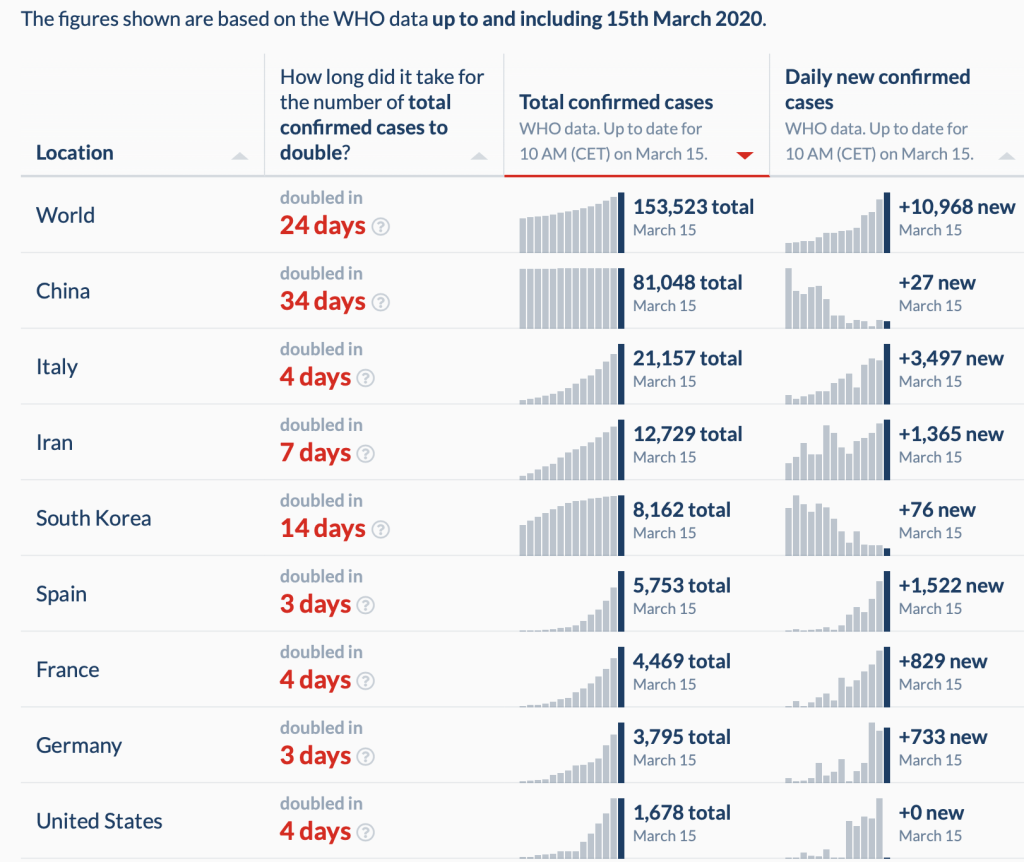
As the coronavirus seems to be getting a relief in Hubei in particular and China in general, the rest of the world is in highest alert as the numbers have spread outside of China and have amassed significantly in other parts of the world, particularly in Europe (where Italy is hardest hit).

The rapid global spread of the coronavirus has not only spread the disease but of racism and blame. Borders have been closed. Economies have been badly damaged. Governments have been criticized. Religion has bended back on traditional practice. One virus alone has brought the world to its knees. They say that the real human nature of a person is revealed during the worst of times. This is it.

What we now know is that the virus is being spread through local transmission with some people having no known contact or history of travel to China alone.

http://www.worldometers.info

Like any viral respiratory disease (eg influenza), asymptomatic patients are difficult to identify. While adults and the elderly are at highest risk, children who have come in contact with family members who may be sick are not routinely being tested or isolated, or worst off, quarantined. “Super spreaders” can actually emanate from anyone who significantly move around sans conditional restraint. Daegu in South Korea was most affected because of a “super spreader” from a church group who continuously participated in activities and continued to proselytize in the community.

Like flu, COVID-19 presents with cough, colds, fever and other nonspecific symptoms. While they may be transmitted by similar routes, COVID-19 may be spread by the airborne route. We also know that the incubation period of COVID-19 seems to be much longer than influenza. The latter makes it more challenging to identify who are exposed and at risk. In addition, there are antiviral medications for the treatment of influenza and vaccine to prevent it. There is none for SARS-COV-2.

The varicella virus that causes chickenpox is a perfect example of a virus with a long incubation period. Patients are infective 3 days before and up to 5 days after the rashes appear. Meaning if your child has not had chickenpox and gets exposed to a classmate diagnosed yesterday to have the disease because the parents noted rashes only yesterday, most likely your child has been infected because the most infective period are 3 days prior to appearance of the rash up to 5 days after all the rash/vesicles have appeared. Because of the long incubation period, your child will most likely have chicken pox in the next 2-3 weeks.

QUO VADIS CORONAVIRUS?

Social distancing, isolation, quarantine, cancelled events and flights, lockdowns are interventions and measures used to control outbreaks in infectious diseases, particularly for those where we still have no treatment and no answers to more questions. YET.

What’s upsetting and causing the panic and hysteria is that as a people, we cannot accept the fact that in the past three months since the spread of this virus, it has finally landed home. Personal lives are now affected. In short, we simply cannot accept that there are just some things that we will need to give up for awhile while the medical community finds a solution as to how we can approach this novel respiratory virus with the limited resources we have.

Banging on the keyboards and instigating fear and worry is not helping anyone. It’s not like this is an easy puzzle to solve. You don’t know how much effort doctors and scientists are putting into this outbreak. How many of us are risking our own lives by attending to and pacifying a lynch mob who are desperate to get their lives back to what they used to be. We too, have our families who will grieve when we are gone. But we do what we do because we’re the only miracle workers left during times like these.

We are all on the same boat. Let’s not tilt too much on one side because it will sink if we do. Sit back. Relax. The waves will eventually die down. And if we all work together at addressing the problem in a calm manner, we will not overwhelm the limited health system. Overwhelming the current health care system affects efficiency and outcome of the critically ill and those who will require intensive care more than others.

Let’s try to be more socially and morally responsible in the kind of information that we share because the same shared spaces on social media with friends and family are multiply contagious as well.

I was telling a few friends the other day that if there is one Tagalog word that best describes the Filipino, it is the word “BASTA“.

It’s an apt description where the person thinks of himself and when cornered for an answer as to why they do what they do, the answer is BASTA.

It would help if we shoved that up our pride filled ass for awhile. This is not the time to care less. Only then can things get better…

Of fate, love and destinies – #CLOY

“Sometimes the wrong train takes you to the right station”

– an Indian proverb

It’s not often that a Korean telenovela sweeps me off my feet. While most of the shows have original stories and screenplays and exceptional technical work, their predictable endings usually leaves one miserably uncomfortable in the end. On prodding by netizens, and the recent win of “Parasite” as Best Picture at the Oscars (yes, I loved the movie), I needed to see for myself what the buzz was all about over “Crash Landing On You”. After all, even Netflix had been “suggesting” I watch this series as well. [They weren’t wrong when I was overwhelmed at how good the story writings of Sky Castle and Hotel de Luna were.]

Crash Landing On You is the new K drama series that has everyone talking about how good a telenovela this is. After all, it’s not just an ordinary love story. The series takes us into two nations divided by a border, and even living in the 21st century, a sociopolitical cultural gap. The storyline is so well-stitched together that it embraces fate and destiny in the most unusual cross starred lovers – a South Korean businesswoman (Se-ri played by Son Ye-Jin) and a North Korean soldier (Ri Jeong-Hyeok played by Hyun Bin).

It weaves a story of power. Greed. Friendship. Loneliness. Suffering. Corruption. Family. Deception. Grief. Of good triumphing over evil. Of dreams and aspirations. And while there is a hodgepodge of conundrums convoluted in the drama, the most important story of all, told a hundred times each episode was clearly that of love, forgiveness, goodbyes and moving on.

The North Korean angle was a bit confusing for those of us who are not from the two Koreas. We’re told of horror stories of North Korea and while it makes no mention of Kim Jong-Un, it tells of the rigid government of the country. The shuttle back and forth from Pyongyang (the capital of North Korea) and the small village that delineates the border of the Demilitarized Zone (DMZ) between South and North Korea is the central setting for the series. The north is more popularly known for an absolute authoritarian regime, where capital punishment is imposed on many crimes ranging from grand theft to defection, treason, espionage, among a few. Executions are carried out by firing squad or hanging in public. While the series provides us a sneak peak into the lives of North Koreans, such as the disparity in provisions of the higher military officials (from housing to cars), the kind of food that is available to the lower class people and the different degrees and extent of corruption, this angle was subtly hidden away. I couldn’t tell the difference in the accents of Koreans from the South and the North. But that’s because I was an outsider trying to figure out the English subtitle.

Interspersed between some light moments was heavy drama. Sometimes to the point of being impossible. Yet one cannot help but turn a blind eye to that impossibility that even in the movies, anything can happen. But I will leave that to the audience to judge as this is one series that I highly recommend and I won’t spoil it by telling you each episode.

The scenic settings in Korea, Mongolia and Iseltwald, Switzerland was breathtaking and gave justice to the theme of Crash Landing on You.

Then there’s the side story of another kind of love. Between Dan and Seung-Jun. The kind of love that would overcome one’s own destiny and altruism that parallels that of the stars of the show, but would end tragically sans regrets (and a bit of payback to boot).

Crash Landing On You

It’s difficult not to fall in love with the story. After all, the central theme of love and selfless giving revolved around each and every protagonist character in the series. Their darkest and brightest moments.

The most wistful of all is the conversation between Yoon Se-Ri and Ri Jyeong Hyeok where Se-Ri tells Jyeong Hyeok:

There’s an Indian proverb that goes…sometimes the wrong train takes you to the right station. It was like that for me too. Throughout my life, I always felt like I was on the wrong train. One time, I wanted to give up. I didn’t want to go anywhere. So I thought about jumping off the train. Look where I am now. I took the wrong train again, and a very wrong one at that. It even got me across the 38th parallel. Still, you should think about the future, even if things don’t always go as you wish. I wish you could stay happy even after I leave, Jyeong-Hyeok. I want you to arrive at the right station, no matter what train you take.

Those lines alone…they were worth the 16 episodes.

Hope and love will always be a beautiful landing on anyone. This is a series that will long be remembered…because we all hope to arrive at the right station in spite of the wrong train rides in life.

SARS-CoV-2(?): Confusing times

In just two days, the novel coronavirus was christened twice.

COVID-2019 is the official DISEASE name when you get sick with the 2019 novel coronavirus. The virus has a new name as well. It’s called SARS-CoV-2.

The Coronavirus Study Group (CSG) of the International Committee on Taxonomy of Viruses [Gorbalenya, A. “Severe acute respiratory syndrome-related coronavirus – The species and its viruses, a statement of the Coronavirus Study Group”, bioRxiv] had decided to call the virus, severe acute respiratory syndrome coronavirus 2, or SARS-CoV-2.

The naming issues between the World Health Organization and the Coronavirus Study Group had caused a bit of chaos on this matter. As reported in Science, here’s a run down on the name christening event:

Martin Enserink, ‘A bit chaotic.’ Christening of new coronavirus and its disease name create confusion, Feb 12, 2020, 2:40PM

Unfortunately, China is reportedly objectionable to the name provided by CSG as it resisted comparisons between the current crisis and the traumatic 2002-03 coronavirus epidemic. And why the two names emerged almost simultaneously is also shrouded in mystery.

For now, in layman’s terms, SARS-CoV-2 is the name of the virus that causes COVID-2019. And you can get infected with SARS-CoV-2 and be asymptomatic or not get sick at all. But when you do get sick, then you have COVID-2019. It’s like when you get infected with the influenza virus, you can get flu…or something to that effect. [Did we really need to get more confusing than this? Seriously, there are people in media who would pounce at the discombobulated scientists and organizational groups who are leading, or misleading, the confused keyboard warrior who’s desperately trying to get a grasp of all this confusion.]

It’s not as if the “whats-in-a-name” has already caused confusion, health officials in China report more than 14,000 new cases in Hubei Province alone. The reason for the sudden surge in numbers? Changing the diagnostic criteria.

At the epicenter of the novel coronavirus outbreak are many people who are sick and yet have no access to being tested. The various hospitals in Wuhan (the largest city in Hubei Province) have been grappling on how to diagnose infections with “scarce and complicated tests that detect the virus’s genetic signature directly. Other countries, too, have had such issues.” [Roni Caryn Rabin, New York Times, 12 February 2020]

But the issue on the complicated tests and its waterloo wasn’t on China alone. On Wednesday (12 February 2020), the Center for Disease Control in the United States had announced that some of the “coronavirus testing kits sent to state laboratories around the country have flaws and do not work properly…But the failure of the kits means that states that encountered problems with the test should not use it, and would still have to depend on the CDCs central lab, which could cause several days’ delay in getting results.” [Denise Grady, New York Times, Updated 13 February 1:03am ET]

The sudden surge in cases is due to the government including now cases diagnosed in clinical settings including CT scan findings. “The change in reporting is meant to provide a more accurate view of the transmissibility of the virus. The new criteria is intended to give doctors broader discretion to diagnose patients, and more crucially, isolate patients to quickly treat them.”

Some government experts noted that the lack in testing kits in the provinces, its low accuracy of 30-40%, the slow turn around time for the test results, and the overstretched hospitals in the epicenter were enough reasons to look at the clinical diagnosis of the disease instead.

With so much at stake and muddling and befuddling this disease entity, this sudden shift in accounting has become an epidemiologists nightmare as well. How do you now accurately track the cases of SARS-CoV-2 as causing COVID-2019? Like so many diagnostic tests out there, the timing of when to actually take specimens matter. Patients may have no symptoms and yet turn out positive or other patients may be severely ill in the late stage of the infection and turn out negative.

When scientists, the medical community and governments are thrown at the epicenter of panic and chaos and become confused, providing accurate public information becomes a challenging task. Crisis management should always center on the patients who are afflicted.

The secret of crisis management is not good vs. bad. It’s preventing the bad from getting worse.

– Andy Gilman

COVID-19: Numbers that matter

Call it by any other name, it is still the same. But the World Health Organization announced yesterday the “official” name for the novel Coronavirus that has hogged the recent health headlines. According to WHO Secretary-General Dr. Tedros Adhanom Ghebreyesus, “the name should not refer to a geographical location, an animal, an individual or group of people, and is pronounceable and related to the disease. Having a name matters to prevent the use of other names that can be accurate or stigmatizing. It also gives the WHO a standard format to use for any future coronavirus outbreaks.

Do numbers matter?

The problem with numbers is how they are interpreted. Or misinterpreted. And the numbers become troubling, as they leave more questions than answers to an already confused public.

As of this writing, there are 45,153 cases and 1,115 deaths. The case fatality rate (CFR) now stands at 2.47%. But that is just an estimate as CFR is the number of known deaths divided by the number of confirmed cases. This does not represent the true CFR as we don’t know the actual number of cases there are (patients who are asymptomatic may be positive and yet not get tested). There are several ways epidemiologists look at the numbers we know. The table below shows the current information regarding COVID-19. Making heads or tails and interpreting the graph can be done positively or negatively.

The American Journal of Epidemiology [Ghani AC. Donnelly CA, et al. “Methods for Estimating the Case Fatality Ratio for a Novel, Emerging Infectious Disease”, Am J Epidemiol 2005;162:479-486] cites a method that could reasonably work well if the hazards of death and recovery at any time t measured from admission to the hospital, conditional on an event occurring at time t, are proportional, would be to use the formula:

CFR = death/(deaths + recovered)

Using this formula and the data above, the worldwide CFR would be (1,115/[1115+4894]) = 19%. Let’s remove all the cases in mainland China (which are a lot). The total number of deaths outside of China is 2, while the number of recovered is 54. Using the same formula, we now get 2/(2+54) = 3.6% CFR for patients outside of China. The National Health Commission (NHC) of China on the other hand utilizes the simplified formula:

Cumulative current total death/current confirmed cases

Using this formula, we now get 1,113/44,436 = 2.5% (this is based on 44,636 cases confirmed in China, with 1,113 deaths or 99.8% of the mortality is in China). Outside of China, only 2 patients have died as of this writing. There are 517 cases (1.14% of all the cases in the world) outside of China.

How contagious is the COVID19?

Attack rate or transmissibility of a virus is indicated by the symbol Ro (reproductive number, pronounced as R-nought or r-zero). It represents the average number of people to which a single infected person will transmit the virus.

Let’s look at a school as an example. Ro describes how many kids will get sick when one sick kid goes to class (population), based on the assumption that all kids are able to get sick (susceptibility). The disease itself and the interaction with these kids are important factors.

If Ro > 1, then more kids are infected. It doesn’t mean that the higher the Ro is the more dangerous the disease is. Some viral URIs (upper respiratory tract infections) can have a high Ro, while some deadly diseases a low Ro (< 1). If the Ro <1, then not everyone that comes in contact with the sick patient will get infected. If, however, the Ro >1, then the propensity to infect more kids is higher. Let’s say that the Ro ~ 15 (as in measles). This means that for every child diagnosed to have measles, he/she most likely will infect 15 more children. The other sick children would eventually infect other kids and in a short period, all the kids in one community would come down with measles in the shortest duration.

Unfortunately, COVID-19 is a relatively new viral pathogen. Because there is no vaccine or previous exposure by most patients, we are all susceptible to getting the disease (unlike vaccine-preventable diseases). In short, when people have immunity against a disease, people won’t get sick. But that’s not what we are seeing with COVID-19. This gets complicated with ‘super-spreaders’. If we use the school setting again as an example, the ‘super-spreader’ will most probably be the adults in school – teacher, principal, work staff, etc – who work with every child.

The computed Ro for COVID-19 is estimated at 2-3. Meaning for every (+) patient, he/she can potentially infect 2 to 3 people. Pertussis has the highest Ro value at 17-18, measles at 12-15, tuberculosis at 10, smallpox 4-6, Ebola anywhere from 1.34-2, and influenza (common flu) at < 2.

It is important to remember that Ro depends on several factors: contact, how long illness lasts (incubation period), how many contacts the person has encountered even before the symptoms have appeared (which makes asymptomatic cases troublesome because they don’t know they’re sick but they’re transmitting infection), and how often the illness spreads during each contact.

Are we over reacting?

For the moment, perhaps we should be more circumspect because of the lack of information in the diagnosis, treatment and true outcome of this disease. Consider the fact that as of this writing, there have been 1,115 deaths due to the COVID-19. This, however, pales in comparison to the fact that 56,600 people have died from seasonal flu ALONE this year!

Numbers that count should focus on what we know and what we can treat and prevent. For 2020 alone, HIV/AIDS deaths are now at 195,988, malaria at 114,358, smoking related at 582,822, alcohol related deaths at 291,596, and deaths from cancer at 957,528 (based on data as of this writing).

With the total number of communicable disease deaths at 1,513,600 (at 1 death almost per second) to date, note how death due to COVID-19 is at a measly 0.07% of deaths. That means that 99.93% of deaths from communicable diseases are unrelated to COVID-19.

Let’s focus on the ball while making sure we have adequate defense. Remember, panic will always be a bestseller. Let’s not get derailed in our daily lives with data and information that you don’t understand but share. If we get swayed by media and other people who have turned the numbers for personal distraction, we may end up losing the war in communicable diseases.

The author was former professor in biostatistics and research methodologies at the University of Santo Tomas, Faculty of Medicine and UST Graduate School. His undergraduate and graduate studies are in Mathematics.

Uncoating the enemy

No one knew them until they started making us sick. Then some died. Like some unknown enemy out of a Hollywood movie, Coronavirus became an overnight sensation.

Coronaviruses are a large family of viruses that are common in many different species of animals, including camels, cattle, cats and bats. Rarely, animal coronaviruses can infect people and then spread between peoples such as with MERS, SARS and now with 2019-nCoV.

http://www.cdc.gov/coronavirus/2019-ncov/summary.html

First isolated in 1937, coronaviruses are the second leading cause of colds (after rhinovirus). There are 4 major categories, and they are known by the greek letters – alpha, beta, delta and gamma. Only alpha and beta cause diseases in humans. The 2019-nCoV is a betacoronavirus. Seven (7) human coronaviruses have been identified so far. This includes SARS-CoV, MERS-CoV and the novel coronavirus.

Coronaviruses are zoonotic. Meaning they are transmissible between humans and animals, but most infect only their specific host. SARS killed about 10% of the people it infected. MERS killed around 35% of those that came down with this viral infection. The good news is that SARS has relatively disappeared from the limelight. MERS on the other hand remains an ongoing viral organism to contend with. Transmission of coronavirus is between people who were in close contact with patients. Hence, post a greater risk to the healthcare worker.

Clinically, this virus can manifest with just a sneeze, a cold, or at worse, become complicated enough to cause pneumonia. Whether patients die because of the virus or complications from the viral infection is another story altogether.

http://www.health.clevelandclinic.org

They’re called coronaviruses for a reason. Under electron microscopy, they look like halos. They are part of the RNA (ribonucleic acid) viruses family. Typically they are single stranded, 32 kb (kilobases) long, and is the largest known RNA virus genome. In reality, they’re actually dumb viruses. They cannot last on their own and will need to find hosts in order to replicate. Coronaviruses are promiscuous. They mutate and change at a very high rate. Meaning they are bad when it comes to reproduction. While the virus is dumb, evolution is smart. Mutations are random. Thoughtless. This process makes the organism more suitable to survive. And while most of the other viruses die, the few that survive make the virus more successful quickly take over.

Coronaviruses mutate less rapidly than other RNA viruses because they have a genome that’s 2-3x bigger than other RNA viruses. They are more complex. Accuracy in reproduction is more important for them. They are the only RNA virus family with a ‘proofreading’ capability.

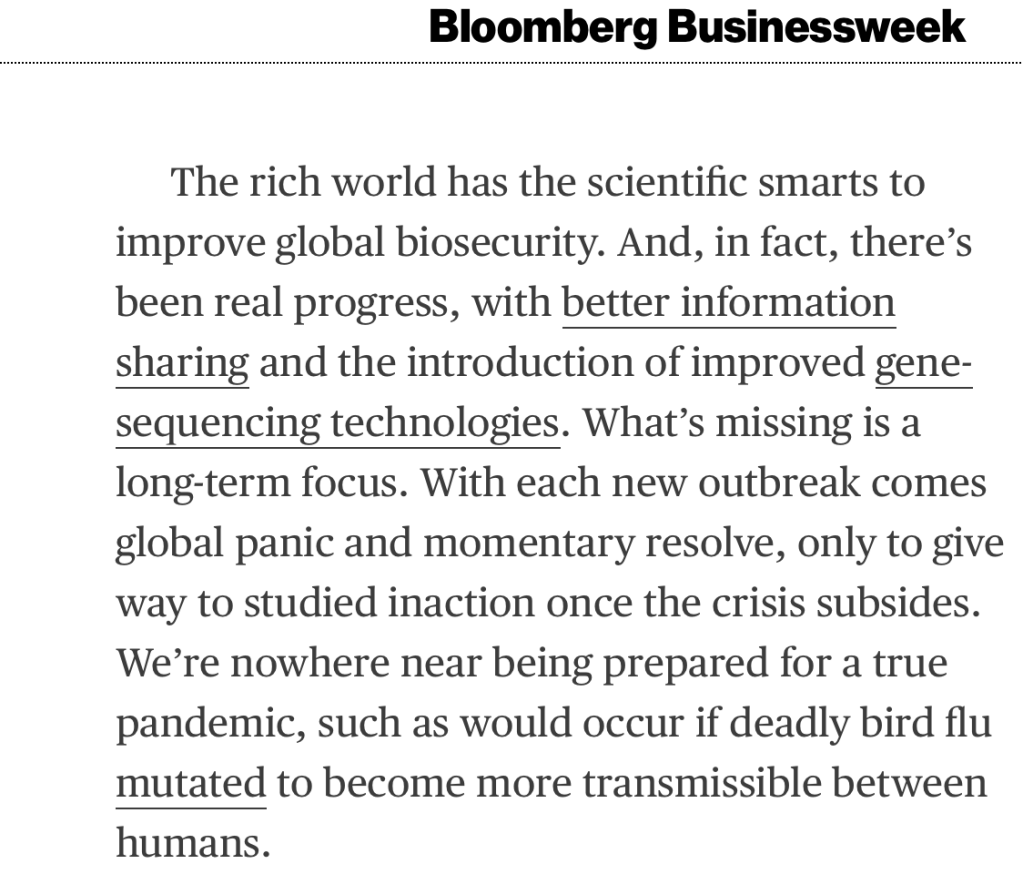
Peter Coy, “The Global Battle to Force the Coronavirus Below It’s Tipping Point”, Bloomberg Businessweek, January 30, 2020

What information can be derived from knowing the enemy?

For one, the fact that the viruses mutate and change at a high rate is a dilemma for both diagnostic detection as well as treatment and development of vaccines against them.

Coronaviruses have an unusual replication process, which involves a 2-step replication mechanism. Many RNA virus genomes contain a single open reading frame (ORF) which is then translated as a single polyprotein that is then catalytically cleaved into smaller functional viral proteins, but coronaviruses can contain up to 10 separate ORFs. Most ribosomes translate the biggest one of these ORFs, called replicase, which alone is twice the size of many other RNA viral genomes. The replicase gene encodes a series of enzymes that use the rest of the genome as a template to produce a set of smaller, overlapping messenger RNA molecules, which are then translated into the structural proteins – the building blocks of new viral particles.

Rodney Rohde, “2019 Novel Coronavirus (2019-nCoV) Update: Uncoating the Virus”, American Society for Microbiology, January 31, 2020

Dr. Mark Denison, director of the division of pediatric infectious diseases at Vanderbilt University School of Medicine points out that the effort at slowing down this virus can only succeed not on what people do, but on how successful science is at addressing the virus. Because Coronavirus are dumb and cannot reproduce on their own, they hijack the reproductive machinery of the cells they attack. Man vs. Microbe scenario.

Remember the ‘proofreading’ capability of coronaviruses? That function seems to be able to be switched off if the virus is under evolutionary pressure. Here is where antiviral drugs theoretically can be useful. The antiviral that targets RNA will allow disruption in proofreading. Locking in that function makes the virus unadaptable, mutate faster, and essentially fall apart. Drug development takes into consideration knowing the enemy in order to eliminate them. An adenosine analogue that incorporates into nascent viral RNA chains resulting in premature termination is Remdesivir. Interesting is the potential of an old friend in Chloroquine. Chloroquine is used for the treatment of malaria and some diseases of the autoimmune system. Some data have shown that it also has potential as a broad-spectrum antiviral agent. The antiviral activity of chloroquine works by increasing endosomal pH for viral/cell fusion and interfering with glycosylation of cellular receptors of SARS-CoV. Chloroquine in addition has immune-modulating activity that can synergistically enhances its antiviral effect in vivo. [Manli Wang, Ruiyuan Can, Leike Zhang, Xinglou Yang, Jia Liu, Mingyue Xu, Zhengli Shi, Zhihong Hu, Wu Zhong, & Gengfu Xiao, “Remdesivir and chloroquine effectively inhibit the recently emerged novel coronavirus (2019-nCoV) in vitro:, Cell Research, 04 February 2020, as Letter to the Editor].

These are difficult times between man and microorganism. Science has come a long way. Technology and modern scientific and laboratory tools have paved the way at treating various infectious diseases using a more scientific approach. Gone are the days of hit and miss. Now we know the enemy, our next move is to destroy it expeditiously and precisely. Because in the end, only one can survive.

Containing a virus in China: Man vs. Microbe

The Novel Coronavirus (NCoV) that has caused concern among people and the health experts has overtaken all other causes of global calamity (natural and political).

What started out as a a “potential” SARS-like illness from Wuhan, China in December 2019, has, as of this writing, become a story that looks like it was written for a Netflix series.

Less than a month into the lockdown in Wuhan (and expanded to other cities in the central province of Hubei), the Chinese authorities have now, according to the New York Times, “resorted to increasingly extreme measure on Thursday to try to halt the spread of the deadly coronavirus, ordering house-to-house searches, running up the sick and warehousing them in enormous quarantine centers. The urgent, seemingly improvised steps come amid a worsening humanitarian crisis in Wuhan, one exasperated by tactics that have left this city of 11 million, with a death rate from the coronavirus of 4.1% as of Thursday – staggeringly higher than the rest of the country’s rate of 0.17%”.

In early December, Dr. Li Wenliang, a physician at Wuhan City Central Hospital had warned of the outbreak – but was reportedly silenced by the police for it. In a country whose government is known to be shrouded in secrecy in order to keep social and political norms at bay, public anger is simmering and unrest and disorder at the brink of concern for the Communist Party, who are reportedly trying to stifle news organizations and local social medial platforms on criticisms related to how the government in general and President Xi Jin Ping in particular are handling this medical crisis. The death of Dr Li from this novel coronavirus was likewise shrouded in so many speculations before the news was finally released that he had indeed died from the viral infection.

While there are now 31,481 confirmed cases, 635 deaths, and 28 countries affected (as of this post) giving an overall case fatality rate of 2.01%, the numbers may not reflect the actual case fatality rate of the disease (worldometers.info/coronavirus). That’s because all except for 2 deaths are concentrated in China. The epicenter Wuhan has the most number of cases – 22,112 (72% of all the cases in the world) and the most number of deaths – 470 (of the 633 deaths in China alone, or 74% of all deaths). According to the National Health Commission of China (based on a press conference last February 4, 2020):

  1. The national mortality rate is 2.1% of CONFIRMED cases,
  2. Mild cases are usually not reported
  3. 97% of the total deaths in China were in Hubei Province. Mortality rate in Wuhan was 4.9%, while the fatality rate in other provinces at 0.16%.
  4. Most of those affected are males (around 70%) and the elderly with co-morbid conditions have higher fatality rate.
  5. Infectivity period can be anywhere between 2-14 days (average is around 5.2 days), ASYMPTOMATIC transmission is possible (hence the rationale for a 14 days quarantine or medical observation period for the pathogen).

While this global medical problem isn’t going to go away anytime. It comes at a time when the cooler temperatures and viral upper respiratory infections are common complaints seen in the various clinics, making managing respiratory problems a more difficult and fearful one.

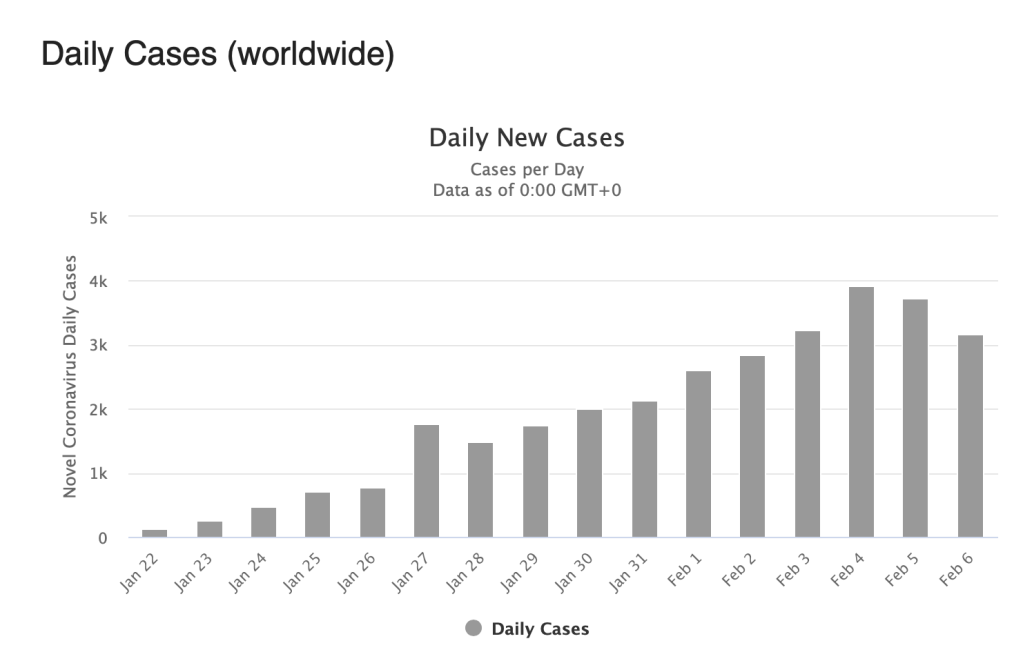
The graph below shows the data culled from worldometers.info/coronavirus on the trend of daily new cases. While preliminary data is encouraging on the present statistical trend, the health authorities should not keep their guard down on this pathogen.

https://worldometers.info/coronavirus/coronavirus-cases

At the pinnacle of the outbreak is a country whose leadership and culture are being tested and challenged. China should change its paradigm on its approach to novel diseases and outbreaks emanating from a region whose 1.4 Billion people are at the forefront of travel, migration and economy. The SARS story in 2003 must have made China learn its lesson – that diseases like these cannot be swept under the rug. Seventeen years ago, social media and travel driven by advances in technology evolved dynamically into an industry in itself. Not even a highly restricted state media can control how people provide accurate information and react to life and death situations in the real world. We begin to realize that no one individual is worth protecting – even if he is the anointed president for “life”. No one is worth the sacrifice, if only to keep the notion that “business is as usual” and the “economy” of the world’s number 2 nation is at risk. This kind of mindset is archaic and the hierarchical type of governance is detrimental to the health of a nation.

We are not at that point in medicine where man will ever be ready for the microorganisms that roam the same planet we live in. Only fools would make that conclusion. Even as new threats emerge (they’re called emerging diseases in infectious medicine), the old scourges like TB, polio, cholera, the plague, to name a few, are still very much around and flare up with disturbing regularity. Former US adviser on public health emergencies Richard Hatchett nails it in his opinion that “we’ve created an interconnected, dynamically changing world that provides innumerable opportunities to microbes. If there’s weakness anywhere, there’s weakness everywhere.”

The coronavirus (or any infectious disease pathogen for that matter) will not distinguish a head of state from a common citizen. It knows no nationality or boundaries. Hence, it is the mandate of every leader to make sure that none of its citizens suffer or die because he/she prioritized personal, political and economic gains for the lives of a few.

Muhammad Ali Pate, global director for health, nutrition and population at the World Bank, correctly points out that “the foundation for better preparedness is investing in stronger primary health care systems which provide surge capacities that can be mobilized for effective response to contain outbreaks.”

It takes political will to go out in front of an epidemic. Yes. At some point, the outbreak will end. And that’s the problem. We mourn, grieve and bury the dead. And the world will move on. And so will the microbe. They stay quiet. Mutate. Resurge while we’re sleeping.

Pandemonium

(Updates have been moved to a new blog entitled COVID-19: The Brief for easy reference. Thank you.)

At the heart of every epidemic, is a story that is told wrong.

Technology and social media, the very tools in disseminating proper, legitimate, and timely information is the same ticking bomb that sows disinformation, fake news, and fear.

An international outbreak of respiratory illness due to a novel coronavirus has thrusted China in the limelight in recent weeks. And the global community has sounded the alarm bells.

What we know

  1. The outbreak apparently began in Wuhan, China at a market that sold live poultry, seafood and wild animals. The virus has turned up in 28 countries to date. Travel to Wuhan and contact with people who were positive for the viral infection put people at risk for developing the disease.
  2. The Philippines has reported the first death in a 44 year old patient who turned out positive for NCoV. His partner is the 38 year old female who was the first positive NCoV case in the country. Both had traveled from Wuhan to the Philippines, via HongKong, then through Cebu. According to the Department of Health, the tourists had gone to Dumaguete before traveling to Manila. The death of the patient in the Philippines is the FIRST REPORTED DEATH OF A PATIENT WITH NCoV outside of China.
  3. Coronavirus can infect both animals and people. Clinical illness can range anywhere from a common cold to severe acute respiratory disorders (remember the 2003 SARS outbreak that killed almost 800 people?). The incubation period is quite disturbing. At the start of this infection, we thought that it would range from 8-14 days. There are unverified clinical data coming out from China that point to 2-24 days! Nevertheless, with all data gathered to date, the median incubation period is possibly 5.2 days.
  4. Health authorities are alarmed because we don’t know how bad this novel coronavirus will manifest in the long term as it is just evolving. It is possible that because it is an emerging infection, most (if not all of us) have not developed any antibodies to this infectious disease yet and that makes us all vulnerable to coming down with an infection – whether it is mild or severe. What we do, however, know is that the current case fatality rate for the novel coronavirus ranges between 2-3%. SARS had a case fatality rate of 11%. Measles has a case fatality rate of 15%. And MERS has a case fatality rate of 35%.
  5. The Wuhan coronavirus is most likely transmitted through respiratory secretions. Evidence also points to human-to-human transmission. As to HOW easily it is transmitted is another story in itself. While the medical journal The Lancet, suggested “that the virus was passed from one ill relative to six others; only two had contact with the initial patient.” This is not a complete history because all the patients actually came from Wuhan and may have had some other zoonotic exposure to some degree, not necessarily from ONE market alone. As to whether some of these patients become “super-spreaders” later on (they infect a large number of people) remains a mystery. What we do know is that the the estimated infectivity of the Wuhan/novel coronavirus is 2.5 (for every index case, there is the potential to spread it to 2-3 people). Note, how pale this compares to measles that has an infectivity of 15 (for every index case with measles, there is the potential to spread it to 15 people!).
  6. The main treatment is supportive care. There are currently no drugs approved for any coronavirus diseases. And megadoses of vitamin C (I read somewhere people advocating this) isn’t really going to help. There is also no evidence that the virus does not survive tropical climate weather. The mere fact that countries like Singapore, Thailand, Vietnam, Malaysia, and Cambodia (and the Philippines) have cases is proof that this virus will survive anywhere.
  7. The Chinese authorities have “locked-down” Wuhan and other affected cities – limiting travel to and from areas of the infection. The Chinese government has built two new hospitals for these patients alone. Shanghai and HongKong Disneyland were closed (and remain to be closed) in anticipation of millions of guests for the Chinese Lunar New Year. Many governments worldwide have begun intensive screening of passengers from Wuhan at entry ports. (That would mean that if you have no important or urgent matters to attend to in China, I would suggest that you defer your travel in the meantime until such time that we know the real scenario. Common sense dictates that if the local authorities are concerned, why do you even want to travel going there?) Several airlines (British Airlines was the first) have canceled or downscaled their flights TO and FROM China. Incidentally, all of the provinces of China now have reported coronavirus cases.
  8. On February 8, the total number of deaths of 813 had surpassed the final total deaths due to SARS (774) in 2003. With 910 deaths (as of February 10, 2020), the number of deaths has surpassed the deaths with MERS (853) in 2012.
  9. The disease is evolving and for accurate information on statistics, I suggest that the reader refer to http://www.worldometer.info/coronavirus for up-to-date details.
  10. The WHO has provided a formal name to the disease caused by the novel Coronavirus and will henceforth be referred to as COVID19. SARS-CoV-2 is the suggested viral taxonomy for the novel coronavirus.
How bad will the Coronavirus get? Here are 6 key factors by Knvul Sheikh, Derek Watkins, Jin Wu, and Mika Gröndahl (New York Times 1.31.2020)

What we don’t know

  1. Are the Chinese authorities being fully transparent with the number of infections and deaths? (It becomes suspicious that the numbers suddenly double in number each day like replicates from a factorial equation. The sudden knee-jerk reaction of locking down a whole city is an overkill.) If you look back at history, the SARS outbreak of 2003 began November 2002. The Chinese authorities did not report this to the WHO until 3 months later.
  2. While the authorities claim that ONE market in Wuhan is the epicenter of the disease, and that medical scientists feel that the most likely primary source of the outbreak are animals, there are hundreds of markets all over Wuhan. This undermines the theory that the epicenter is in ONE specific market. It is most likely that IF animals are the likely source, identifying which animal it is may be important. And whether only ONE market in Wuhan was the source of the outbreak.
  3. Is there going to be a vaccine soon? It’s everyone’s guess. While vaccine development sounds fairly easier today than a few decades ago, there’s still a lot to learn about this novel virus before we get to the drawing board. And I refer everyone to the blog post on “COVID-2019: Numbers that matter” for a discussion on this.
  4. On a side note, the novel coronavirus is an emerging infection and emerging infections may be difficult to handle because we have very little information (YET) of the enemy at hand. The information out there is based on data that is the tip of the iceberg.
  5. While there are increasing number of cases already, there has been NO report of a pediatric casualty. In fact, the demographic data being provided are simply number of cases. A breakdown according to age, sex, co-morbidities, etc. are direly lacking. The youngest confirmed case is a 30 hours old baby from Wuhan (Tribune.net.ph in an article from Agency-France published February 5, 2020) delivered to a NCoV positive mother. This is a clear case demonstrating the likelihood of vertical transmission of the virus. With these scant information, it is possible that children may have milder forms of the disease (if they get the infection) and that the lack of more severe presenting respiratory symptoms in this group may make us miss having them routinely tested unless they have exposure to a source case.
  6. The youngest person to die from this virus is the 34 years old ophthalmologist who first reported the SARS-like illness outbreak in early December 2019. The report on how and when Dr. Li got the infection is sketchy. The information available on social media is that in early January 2020, Li had treated a woman with glaucoma without realizing she had NCoV. On January 10, Li had cough, then fever and two days later was in the hospital. He became seriously ill after a few weeks and passed away on February 7, 2020 (almost ONE MONTH after his clinical illness). (The Guardian, Feb 6, 2020). The course of illness of Li is perplexing and troublesome and requires more transparent data on the length of illness on the untimely demise of the doctor.
  7. If patients recover from the disease (become negative after being positive in a test), how long will immunity last? Does bringing them back to a community with ongoing infection provide protection from getting reinfected and how severe (or mild) will it be the second time around?
  8. How accurate are the test kits that are being used for the diagnosis of the infection? At what day of the illness do patients test positive and what are the limitations of the testing kits? Is there a correlation between illness and positive test results?

What can we do to protect ourselves

  1. An ounce of prevention is worth a pound of cure. Wash your hands. Don’t put your dirty hands on any oral orifice. Don’t rub your eyes. In short, watch your personal hygiene. When you need to wear masks, make sure you have the right one and wear it correctly.
  2. When you have a bad cough – practice cough etiquette and cover your nose and mouth by wearing a mask. This is especially true when you’re getting into an enclosed space (like an elevator). If you’re sick, please, do the world a favor and stay at home.
  3. Avoid crowded places. Don’t bring your smaller kids with you when you need to run an errand or visit the sick. You will need to take care of yourself first. Very young children are a handful and they are difficult to care for especially in crowded places.
  4. Reconsider your travel plans. It may take a few months before this tides over as we don’t know a lot about the virus and how the disease will evolve. YET.
  5. For pediatric patients that need to have their routine immunizations, please make sure your kids get them ON TIME. You don’t want them getting sick with a different, more severe, preventable infection just because of the ongoing fear of the novel coronavirus. The vaccine-preventable diseases carry a far heavier mortality rate and disease burden.
  6. Stay vigilant and update yourselves with correct information from the health authorities and verifiable news. Use social media to create a positive health environment and not as a platform for becoming “viral”. PUIs (or person under investigation) ARE NOT confirmed cases of novel coronavirus infections.

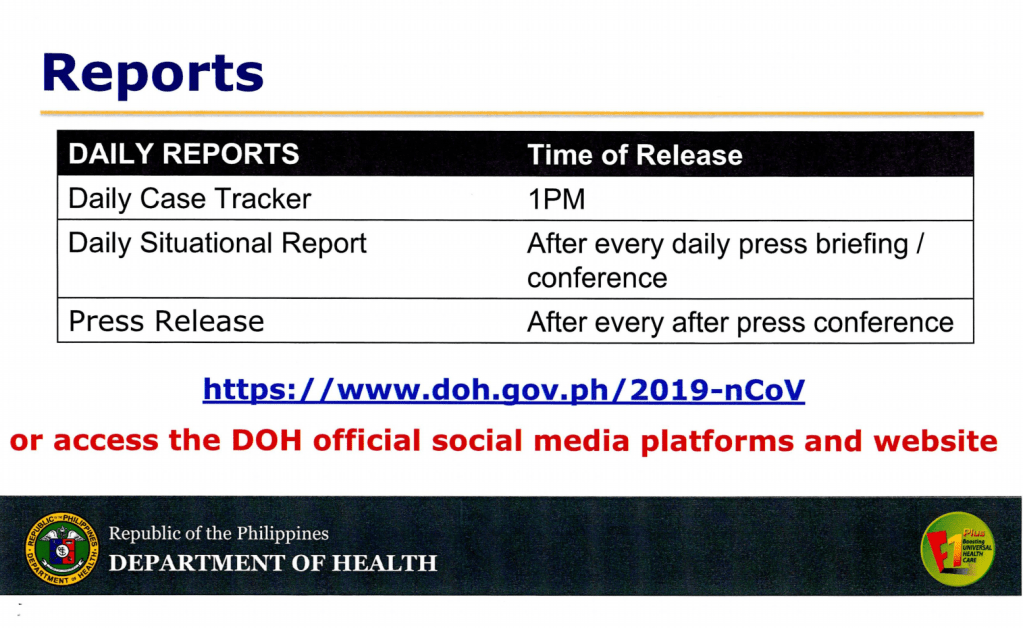
If you are residing in the Philippines, the Department of Health has provided a link on its website for local data, information, and guidances on the current NCoV issue.

Take home message

Be part of the population that use their brains during times of crisis. Don’t be part of the wild, noisy, no-brained, confusing disorder that creates pandemonium. No one benefits from dysfunction.

Update 14 February 2020 (as of 0800H)

1. There are now 1,489 deaths and 65,246 confirmed cases. The cumulative case fatality rate is at 2.28%. China has the bulk of cases and deaths (1,486 [99.85%] of the deaths are in China).

2. Japan has reported its first death in an 80 year old woman. Two additional cases in Japan include a taxi driver who had driven a Chinese passenger and a surgeon at a hospital in Yuasa-cho.

3. Outside of China, Japan has the most number of cases (251 from 247), followed now by Singapore with 58 cases (+11). In third is Hong Kong with 53 cases (+4) cases. Thailand is third with 33 cases. The sudden surge in the number of cases in Japan is due to an additional 44 confirmed cases on the Diamond Princess. The Japanese government is set to allow some of the passengers on the ship to recover on shore. Taiwan has had no additional case for over a week and remains at 18 positive cases for COVID-19.

Additional cases in other parts of the world (after 3pm today) are: Vietnam (1), Hong Kong (2), Singapore (8), the UK (1), the US (1), Malaysia (1), and India (2) as of this writing. The case in the UK is the first case in London.

3. In Hong Kong, a building’s piping system is being investigated as a potential source for airborne transmission through feces after after the 42nd case who lives 10 floors below the 12th confirmed case. It is hypothesized that an airborne route through vents not properly blocked may be the source of the transmission. Could this explain also the increase in cases on board the Diamond Princess? Through unblocked vents and thereby affirming the airborne route? (This will need further investigation and is hypothetical for now.)

3. The Philippines remains to report 3 confirmed cases with one death. The remaining 2 cases have recovered and are now NCoV negative. There are 441 cases considered PUI (persons under investigation). The good news? NO NEW CONFIRMED CASES HAVE BEEN REPORTED as of this post. More good news? More than half of those tested are negative (253 have tested negative and 186 have pending results). This website of the government is highly informative: https://ncovtracker.doh.gov.ph

4. ALL of China’s provinces and territories are affected by this outbreak.

5. The first death outside of China was in the Philippines. The cluster of fatalities remain in China and among the elderly and those with co-morbidities. Hong Kong reported its first death from the outbreak. A 39-year old man with history of travel to Wuhan on January 21, 2020 and returned to Hong Kong 2 days later presented with symptoms on January 31, 2020. The third death outside of China is an 80 year old Japanese woman.

6. The countries and territories with confirmed cases for the novel coronavirus: Thailand, Japan, Hong Kong, Singapore, Taiwan, Australia, Malaysia, Macau, Russia, France, the United States of America, South Korea, Germany, the United Arab Emirates, Canada, Britain, Vietnam, Italy, India, the Philippines, Nepal, Cambodia, Sri Lanka, Finland, Sweden, Spain and Belgium.

7. The World Health Organization has declared the coronavirus infection a global health emergency.

8. Several countries have issued a “DO NOT TRAVEL” to and from China advisory. Airlines have cancelled flights to and from China, with a couple of countries repatriating their citizens.

9. Is it likely to become a pandemic? A pandemic is declared when an ongoing epidemic is observed in two or more continents. What we do know is that it’s highly transmissible and spreading like influenza. Whether it is catastrophic is unknown at the moment. But the effects of a pandemic would definitely burden countries with less resources and fragile health care systems than wealthier nations.

*Disclosure: The author of this article is the Chief, Section of Pediatric Infectious Diseases, University of Santo Tomas Hospital, Manila, Philippines

**This part of the blog will be updated daily based on relevant and verifiable information. The author is disclosing that all information on this blog site is referenced appropriately and that all gathered information have been verified. Some of the comments provided are personal opinions posted as part of scientific discussion on the coronavirus.

A biography of cancer

In his book “The Emperor of All Maladies: A Biography of Cancer“, published in November 2010, Dr. Siddhartha Mukherjee weaves an ironically beautiful story of the life and times of one of health’s greatest adversary – cancer.

It is no wonder that this book won the Pulitzer Prize for General Non-Fiction, is on magazine TIME as one of the most influential 100 books in the last century and the New York Times magazine as among the 100 best works of non-fiction.

The sad truth is, we all have one immortal illness. From the day we are conceived, there is an interplay of existence between normal and abnormal cells in our body. “Cancer is not one disease but many diseases. We call them all ‘cancer’ because they share a fundamental feature: the abnormal growth of cells.” Both normal and abnormal cells reside in each and everyone of us. Like good and evil, they both co-exist. The dichotomy in the opposites of life. Yin and Yang. Black and White. Justice and injustice. Heaven and earth. Cancer cells are part of us. When abnormal cells proliferate, they take over the cellular regeneration of other cells in our body. The normal cells are eventually replaced by abnormal ones. Because life is one real battlefield. And survival, is that of the fittest.

Cancer, we now know, is a disease caused by the uncontrolled growth of a single cell. This growth is unleashed by mutations – changes in DNA that specifically affect genes that incite unlimited cell growth. In a normal cell, powerful genetic circuits regulate cell division and cell death. In a cancer cell, these circuits have been broken, unleashing a cell that cannot stop growing.

Cancer is built into our genomes: the genes that unmoor normal cell division are not foreign to our bodies, but rather mutated, distorted versions of the very genes that perform vital cellular functions. And cancer is imprinted in our society as we extend our life span as a species, we inevitably unleash malignant growth (mutations in cancer genes accumulate with aging; cancer is thus intrinsically related to age). If we seek immortality, then so, too, in a rather perverse sense, does the cancer cell.

“The Emperor of all Maladies: A Biography of Cancer” by Siddhartha Mukherjee

As early as almost five thousand years ago, the Egyptian physician Imhotep had reference to the disease, in his writings that describe and affliction characterized by “bulging of the breast”, and resistant to any known therapies. From Bennett to Virchow to Farber…this history of cancer is by far a deep and perplexing. Several thousand years down the road and we have barely notched the iceberg of neoplastic diseases. As various therapeutical modalities are developed to address what we do now know of certain cancers, the cancer cells seem to adapt for their own survival as well. No matter how we look at any form of disease wrought by cancer, all were deeply connected at the cellular level. They had one characteristic – an uncontrollable pathological urge to cell divide.

In a National Geographic article, it notes that the likely reason “cancer is a relative newcomer in the historical record is that it commonly afflicts those 65 years and older, and for a long time, few people lived long enough for cancer to be a concern.” While this may not be exactly good news for those growing older, it is inevitably the disconsolate painful truth. As Susan Sontag puts it bluntly, “Now it is cancer’s turn to be the disease that doesn’t knock before it enters.”

As Mukherjee puts is succinctly, “Civilization did not cause cancer, but by extending human life spans, civilization unveiled it.” The longer we live, the more likely that we will all have some form of cancer. Which will be our most likely exit from this world.

In the biography of cancer, Mukherjee takes us to a labyrinth of medical history, so graphically written and accurately detailed it makes one feel like part of the explorative journey to the root of the emperor. And like a Netflix series, his story telling ability will keep you mesmerized. A page-turner in every sense of the word, his graphic and dramatic description of cancer as an omnipotent lord of maladies will make even a layperson understand the history, physiology, pathology, treatment and outcome of cancer.

Cancer is not simply a clonal disease; it is a clonal evolving disease. If growth occurred without evolution, cancer cells would not be imbued with their potent capacity to invade, survive, and metastasize. Every generation of cancer cells creates a small number of cells that is genetically different from its parents. When a chemotherapeutic drug or the immune system attacks cancer, mutant clones that can resist the attack grow out. The fittest cancer cell survives. This mirth, relentless cycle of mutation, selection, and overgrowth generates cells that are more and more adapted to survival and growth. In some cases, the mutations speed up the acquisition of other mutations. The genetic instability, like a perfect madness, only provides more impetus to generate mutant clones. Cancer thus exploits the fundamental logic of evolution unlike any other illness. If we, as a species, are the ultimate product of Darwinian selection, then so, too, is this incredible disease that lurks inside us.

“The Emperor of all Maladies: A Biography of Cancer” by Siddhartha Mukherjee

The fundamental science of oncology has nothing to do with the evolution of cancer. These abnormal cells are with us in some strange way. From the air we breath, the food we eat, the living conditions or even some viral infection (Hepatitis B, Human Papilloma Virus, Ebstein Barr Virus, to name a few) that has triggered the transformation of normal cells to atypical ones and eventually to a cancerous disease has remained perplexing, mysterious, and a formidable foe to medical science.

The turn of the 20th century saw vaccines as the biggest contributor to preventing infectious diseases from eliminating the human population. The discovery of vaccines has dramatically averted morbidity and mortality from microorganisms that once upon a time had practically eradicated a nation. Drug discovery programs addressed treatment for chronic non-communicable illnesses, thereby improving the outcome and prognosis for diseases that used to have debilitating consequences.

The 21st century together with the rapid advances of science and technology changed the landscape of medicine. While the environment we live in has become more livable and human survival is at an all time high (70 is the new 60), living up to a century old has now become the goal. The search for immortality is at a frenzy. We all want to live forever. But forever will always have a price tag to pay.

The laws of medicine are really laws of uncertainty, imprecision, and incompleteness. They apply equally to all disciplines of knowledge where these forces come into play. They were laws of imperfection.

Law One:

A strong intuition is much more powerful than a weak test.

Law Two:

“Normals” teach us rules; “outliers” teach us laws.

Law Three:

For every perfect medical experiment, there is a perfect human bias.

“The Laws of Medicine” by Siddhartha Mukherjee

In spite of the rapid developments in the diagnosis and treatment of various diseases affecting human health, the scourge and challenge of cancer has remained a tough “cookie” to crack.

The formidably beautiful writing style engrosses the reader to a beautiful story on medical history; discovery of preventive medicine and epidemiology; of pharmacology, physiology, anatomy and biochemistry; of science being ensconced in myths and finally the realization of an entangled labyrinth of why a disease as terrible as cancer is the face of an enemy that has remained an enigma since time immemorial.

Mukherjee has masterfully immortalized the story of why cancer deserves to be the Emperor of All Maladies.

Hurdles

One of the most difficult obstacle course in track and field is the hurdles.

These obstacles are set at a fixed distance and runners must be able to overcome them as part of the race.

I thought of writing this blog post with the aforementioned title as my central theme. As the year comes to a close, and we’re almost near the finish line, my family and I are holed up together, recalling how 2019 had been one challenging year.

Life has a way of being either beautiful or ugly. Sometimes painfully both. If there was a streak of bad luck for health issues, this was how our story began.

But our story is but one of billions of lives that intertwined in the lives of other people in 2019. And while most of us have seemed to breeze the year unscathed, the rest of us barely made it out with our sanity intact.

2019 was a difficult one. Many of my friends had seen their loved ones on the departure platform. At our age, we need to face the reality that life comes to an end. And that closure will be a disappointing truth.

But like every hurdle we go through, there will be people rooting for you to make it to the finish line. Before this year formally closes, I’d like to thank family, friends, strangers – even those I have only met recently – for their words of encouragement and never say die attitude.

2019 saw the year of the pig come to a close. The animal pig is the last of the animals in the Chinese calendar. It marks the end of the 12 year cycle. January 25, 2020 will usher in the beginning of a new animal cycle with the year of the metal rat. A new cycle of hope.

Ironically, like many other things in life, we greet another year with renewed hope and prayers for better beginnings. Fresh starts provide us with new aspirations, plans, goals…yes…resolutions.

Thank you 2019. You’ve made me stronger. More positive. And realize that somehow, not only does hope spring eternal. But daily miracles are worth praying for.

And I am grateful of the four letter word called LIFE.

#2020HereWeCome

Feckless belligerence

They’re everywhere.

And they show up more frequently now more than ever.

When information technology reshaped the way social media and online news has collaborated with us, some took the shorter road to being a dolt in record time. Oh, I’m not talking about a fundamental political divide here. I’m talking about plain and simple vapid minds who share an obsession with non-intelligent discussion on the “comment” section of a published article – whether it is news or an opinion.

They say that everyone is entitled to make a comment or two. Or an opinion or two. And there is no question about that. Even I, provide a personal opinion or two to socially relevant issues. Nevertheless, when you read the news online, you’ll notice those who practically claim these places as their place of residence. They have a comment for every write-up whether it is OR is not favorable to the administration. Self-opinionated, arrogant, pointless cretins who evoke monosynaptic neuronal discharges have abundantly replicated. They are either die-hard fanatics whose idolatry is beyond comprehension OR they are contemptible keyboard warriors whose fixation on reverence for income is why they do what they do and write what they write.

I don’t agree to everything that is written in the newspapers. Absolute fairness in journalism is a myth. I have encountered paid columnists (and don’t make me go that path because I can single you out) who actually dive into writing for their daily bread. I refuse to call them professionals because they have thrown out the window the very profession of unbiased journalism. They write for the sake of destroying the truth, promote dissent and divisiveness, encourage harassment and violence, and should be ashamed of what they do. There are media outlets whose objectivity in a story is slanted to what they believe is correct, in spite of lapses in accuracy. Their practice is called “envelopment journalism”, due to the fact that they receive money envelopes in exchange for the “Public Relations” promotion they do. I don’t know how and why newspapers even retain them (it’s definitely not due to political advantage. Some news outlets simply need clueless baits.) Yes. Every single newspaper has one or a multitude of them. Bias, after all, is relative.

If there is one thing I have learned in writing, it is how to tell a story. It’s the same when delivering a talk, a lecture, a speech, a campaign…and so on. The master story teller is the one that convinces the audience, which is the more captivating storyline.

When a young boy is diagnosed with leukemia, and his family had to borrow millions to sustain his treatment, the story can be told in a way that tugs at your hearts. A family in need. A suffering that is unnecessary. A miracle in the home.

Yet the same story of the boy with leukemia can be written differently. One from a place of abhorrence and grudges. A broken family due to drugs and poverty. Karma or comeuppance whose time had come.

You can choose the details to fill-in the plot. Because that’s the way the story will sell.

And so, no matter how stories are written, there will always be the feckless belligerent whose values have been eroded by blind veneration. Whose only comment when posted online are self-serving and thoughtless. Whose existence is meaningless because no ounce of kindness is good enough for them. Whatever story is written – good or bad – they only have one agenda. To disrupt social norms.

Feckless belligerence should be attacked head on instead of ignored. There is no place in civil society for them. In the age of information technology, we should learn to educate the impressionable lot who access the internet without the ability to discern what is precise from fraudulent. With so many unskilled at comprehension, the battle is real.

And the prey are plenty.